More than an algorithm: How LDT is changing intellectual property law in digital art
Redesigning intellectual property for the 21st century: AI is a tool with skills, and humans give it vision
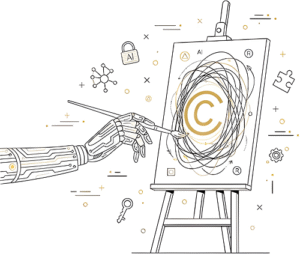
Artificial intelligence (AI) is becoming an increasingly common creative partner in the world of art, design, and writing. However, this new era has created a deep divide in intellectual property law. Many believe that AI is the new author, not just a tool. But is that really the case?
We argue the opposite: AI is only a digital brush. Before court rulings in this field, we state our position
AI is a tool with skills, and humans give it vision, heart, and soul
My personal process of creating illustrations for this blog is the best proof of this claim. At first, AI didn’t understand my vision for the illustration. The results were generic and impersonal. I had to retrain the algorithm and give precise instructions until I finally achieved what I truly wanted. Every point, every line, and every detail in the final illustrations are the result of my instructions, my revisions, and ultimately a reflection of my childhood and my ideas.
The algorithm has no memories, emotions, or vision. It doesn’t know why a certain color matters to you, nor does it understand the symbolism you bring into the final work. It only processes information. It is not the author, and we must not allow it to be presented as such.
Legal Design Thinking: A new standard for intellectual property
This is where Legal Design Thinking (LDT) comes in. Instead of struggling with outdated definitions and trying to force new technologies into old legal frameworks, we design solutions aligned with modern reality. We create:
- Visual contracts that clearly define ownership of AI-generated content. This means that through a simple infographic, you immediately know what rights you have and which ones the platform retains.
- Simple licenses that ensure artists and creators retain copyright over their works, even when using AI tools. This empowers the creator and protects their vision.
- Transparent processes that visually show the human role in creating a work. This serves as clear and undeniable proof of authorship if a dispute ever arises.
Intellectual property law must no longer be an obstacle. It must become an enabler for creatives in the digital era.
Other blogs


CSRD: When ESG becomes a personal risk. How Evidence Architecture Moves ESG from Sustainability to Responsibility
March was traditionally reserved for closing the financial books. But from 2026...
Who will sign? CSRD and the end of collective responsibility in regional companies
March in the Balkans is traditionally a month of final accounts. But in 2026, March brings…